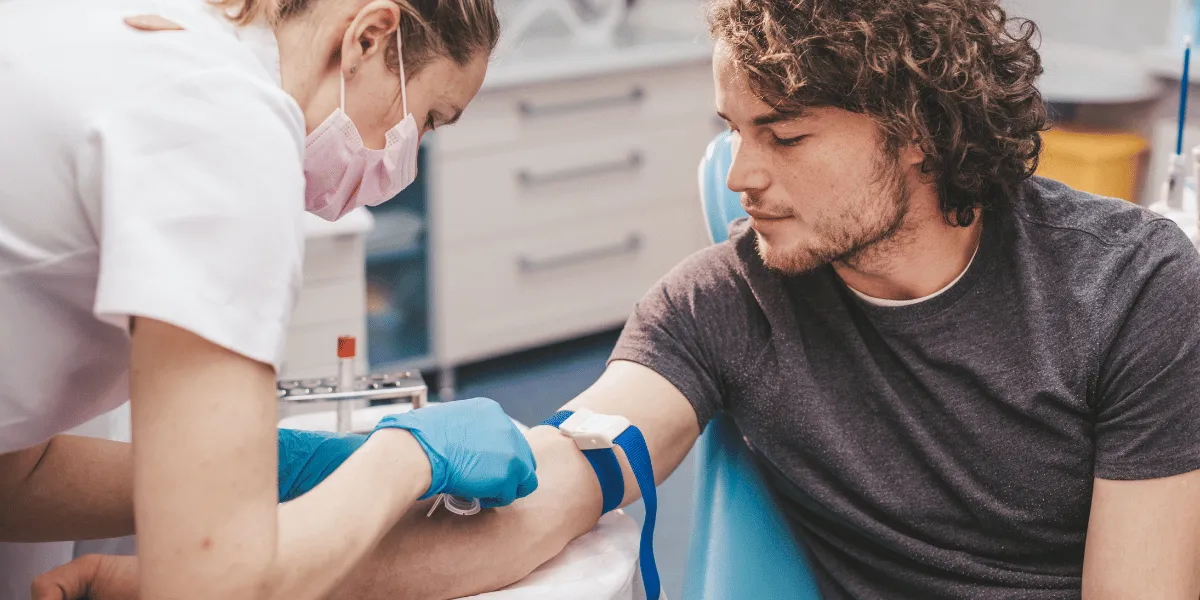
Imagine a workplace where employee health is meticulously monitored, potential hazards are preemptively addressed, and well-being is prioritised to create a productive environment.
Health surveillance embodies this vision, serving as a critical tool in safeguarding the health and safety of workers across various industries. It involves strategic monitoring and evaluation aimed at detecting health risks associated with workplace conditions, ensuring that employees remain fit for their roles and businesses adhere to health regulations.
The importance of health surveillance extends beyond simply ensuring compliance with occupational health law. It’s a proactive approach that facilitates the early detection of health issues, enhances overall employee well-being, and contributes to reducing absenteeism and boosting productivity.
The process encompasses a range of components, including risk assessments, medical assessments, and specific health checks tailored to the workplace’s exposure risks, thereby playing a crucial role in maintaining a healthy workforce.
In this article, ‘What is Health Surveillance?‘, we break down the multifaceted aspects of health surveillance, examining its components, the systematic process of implementation, and the legal frameworks that govern it.
We will discuss the roles and responsibilities of employers, employees, and occupational health professionals in implementing effective health surveillance programs and explore the tangible benefits these programs offer in fostering a safer workplace environment.
Why is Health Surveillance Important?
Health surveillance is a crucial component of occupational health and safety, designed to detect early signs of ill-health caused by workplace hazards.
By identifying health issues promptly, employers can implement or improve control measures to prevent the deterioration of employees’ conditions. This proactive approach not only protects workers but also ensures compliance with health and safety law. If you like, its like a form of medical surveillance too.
A key benefit of health surveillance is its role in evaluating health risks.
It provides invaluable data that helps employers identify workplace hazards, such as biological agents, hazardous substances, or ionising radiation. This information is crucial for updating risk assessments and enhancing workplace control measures, along with any required medical examinations that may be necessary as a result.
Health surveillance also permits employees to voice any health concerns related to their work environment. It reinforces the importance of training and educating employees on the potential health risks, the use of protective equipment, and adherence to regulations such as the Control of Noise at Work Regulations 2005.
Furthermore, health surveillance provides a valuable opportunity to reinforce workplace safety education. It helps verify the effectiveness of protective equipment and highlights areas where further training and education may be needed.
Health surveillance is effectively an essential legal requirement that complements risk assessment, focusing on maintaining and promoting employee health and wellbeing in the workplace.
What is Health Surveillance? The Core Components Explained
Health surveillance encompasses a systematic approach to monitoring employee health in the workplace, aiming to detect early signs of work-related health issues. This all falls under part of the employers’ duty of care.
This structured program is necessary when workers face exposure to various hazards, ensuring that any adverse health effects are identified promptly.
Administered by qualified occupational health experts, these health checks are critical components of any occupational health strategy. The purpose is to safeguard workers from long-term health problems by addressing issues before they become significant and severe.
Health surveillance differentiates from general health screenings or wellness checks and is specifically tailored to assess risks associated with occupational hazards. Here we provide a bit more detail in terms of what is health surveillance really all about.
Risk Assessments
Risk assessments serve as the foundational step in determining the need for health surveillance in the workplace. When potential hazards like noise, vibrations, solvents, or biological agents are identified, a comprehensive risk assessment is essential to analyse these threats.
This process lays the groundwork for implementing health surveillance as it evaluates the extent and nature of any exposure risks present and ensures exposure control measures are in place.
By conducting practical risk assessments, employers can make informed decisions on whether health surveillance is necessary for specific workplace activities.
Risk assessments ensure that any required occupational health surveillance complements existing control measures rather than replacing them.
In essence, health surveillance operationalises the findings of risk assessments by providing ongoing health monitoring tailored to identified workplace hazards and ongoing health protection at work. Sometimes this might be a rapid assessment for individuals or more nuanced over time across a large organisation.
Medical Assessments
Medical assessments in the context of health surveillance are crucial in uncovering early signs of work-related ill health.
For environments where employees are exposed to risk factors such as noise, dust, and harmful chemicals such as through manual handling, these assessments ensure that control measures effectively prevent adverse health outcomes.
Different forms of health checks are involved, including symptom inquiries through questionnaires and in-depth medical evaluations conducted by health professionals.
Privacy and confidentiality, along with detailed and secure record-keeping, are maintained throughout the health surveillance process, with employers receiving only the necessary results.
The insights gained from medical assessments enable employers to continually refine their risk assessments and adjust workplace controls accordingly, ensuring a safe and healthy work environment and hopefully preventing occupational injuries.
Specific Health Checks
Specific health checks are a vital part of health surveillance, aimed at identifying potential adverse health changes or diseases caused by workplace hazards.
Qualified occupational health experts conduct these checks and differ from general health screenings or well-being medicals.
The selection of specific health checks is based on the nature of the hazards present in the work environment and may range from targeted questionnaires to comprehensive medical tests. The primary objective is to minimise health risks and bolster worker safety under hazardous conditions.
By focusing efforts on specific areas such as hearing, lung function, or blood pressure, health surveillance can more effectively protect employees by identifying and addressing health issues related to particular workplace exposures.
Health Surveillance Process
Health surveillance is a systematic procedure implemented in workplaces to ensure the early detection of health issues arising from occupational exposure.
The process typically begins with a comprehensive risk assessment by employers to identify potential hazards and necessary control measures.
Once the need for health surveillance is determined, an appropriate program is established to continuously monitor the health of employees exposed to work-related risks.
This ongoing system of health checks is crucial for detecting early signs of occupational diseases, enabling timely intervention and prevention of further health deterioration. Legal requirements often mandate such surveillance, especially in environments where hazardous substances or conditions persist.
Identifying Workplace Hazards
Identifying workplace hazards is a fundamental component of the health surveillance process. Employers must conduct detailed risk assessments, which also encompass hazard surveillance, to identify potential hazards, such as noise, ionizing radiation, vibrations, solvents, and biological agents, that may impact employee health.
Health surveillance is legally required when these hazards are present to detect early adverse health changes. Through systematic health checks, employers can collect data to evaluate the effectiveness of current workplace control measures.
This proactive approach not only safeguards employees but also helps in maintaining compliance with health and safety regulations that aim to prevent occupational diseases and other health complications.
Monitoring Employee Health
Monitoring employee health is an essential aspect of health surveillance, particularly in workplaces where hazardous conditions persist despite existing control measures.
Unlike general health monitoring, occupational health surveillance focuses on specific illnesses closely linked to workplace exposures. This involves using questionnaires and medical tests conducted by health professionals to detect any early signs of work-related diseases.
Health surveillance programs may include mandatory components, such as night worker health assessments, although participation by employees is voluntary.
These programs help employers identify health risks, reinforce training, and address gaps in workplace safety, ensuring compliance with legal obligations.
Evaluating Control Measures
Evaluating control measures is crucial in the health surveillance process to ensure that employees are adequately protected from occupational health risks.
The evaluation begins with risk assessments to identify areas that necessitate health surveillance. Following the assessment, it is vital to implement regular, systematic health checks to monitor the efficacy of existing control measures.
By identifying the need for ongoing programs, employers can take corrective actions to prevent health issues resulting from work activities.
This approach not only helps meet legal safety standards but also fulfils the duty of care toward employees by minimising risks associated with hazardous conditions, such as dust and biological agents.
Maintaining Health Records
Maintaining health records is a critical requirement under health surveillance in workplaces where employees are exposed to various health risks. The practice involves regularly scheduled health checks aimed at identifying any work-related health problems early.
These records are essential for evaluating the effectiveness of implemented control measures and for taking preemptive actions to safeguard employee health.
Specifically targeted at detecting adverse changes due to workplace hazards, such as noise, vibration, chemicals, and biological agents, health surveillance ensures that any signs of potential health deterioration are promptly identified and addressed, thus fulfilling both legal and ethical responsibilities towards workers.
Legal and Regulatory Requirements
Health surveillance is a crucial component of workplace safety, designed to protect employees’ health in environments where they may be exposed to potential hazards. It is a legal requirement in industries where residual hazards persist despite the introduction of various control measures.
This necessity arises under numerous regulations, including the Management of Health and Safety at Work Regulations and the Control of Substances Hazardous to Health (COSHH) Regulations.
These laws require employers to conduct regular health surveillance for workers exposed to hazards such as hazardous substances, noise, or biological agents.
Health surveillance is particularly crucial when there is a risk of occupational diseases or adverse health conditions, as it provides a systematic method for identifying early signs of work-related health issues.
By ensuring compliance with these regulations, employers not only safeguard their employees but also fulfil their legal obligations.
Compliance with Occupational Health Laws
Compliance with occupational health laws is a cornerstone of maintaining a safe work environment and avoiding potential legal and financial repercussions.
Health surveillance is a fundamental aspect of these laws, designed to ensure that workplace safety standards are rigorously upheld.
The Health and Safety Executive (HSE) plays a pivotal role in mandating health surveillance, particularly in sectors where employees are exposed to significant health risks due to hazardous agents.
Employers must conduct health surveillance to detect any early signs of ill-health effectively, thereby preventing conditions from worsening and ensuring the continuous enforcement of safety measures.
Employers are responsible for adhering to health regulations, ensuring that workers are safe from exposure to dangerous substances and toxins.
Meeting statutory requirements through occupational health surveillance not only secures legal compliance but also promotes a healthier, safer, and more productive work environment.
Consequences of Non-Compliance
Failing to comply with health surveillance requirements can have serious consequences for both employers and employees. Non-compliance can lead to significant legal ramifications, including fines and sanctions imposed by health and safety regulatory bodies. It may also impact alignment with COSHH Regulations.
Neglecting health surveillance heightens the risk of workplace-related illnesses going undetected, which can result in more severe health outcomes and increased medical costs due to advanced treatment needs.
The lack of health surveillance can negatively impact employee morale and trust, as workers may feel their health and safety are not being prioritised.
Employers who fail to fulfil their legal obligations may face reputational damage, potentially impacting their business operations and relationships with clients and stakeholders.
Adhering to health surveillance regulations is not only a legal obligation but also a commitment to protecting and promoting the wellbeing of the workforce. This is why it’s vital for employers to obtain the skills and expertise of occupational health advisors such as Co-Health, who provide extensive occupational health services.
Roles and Responsibilities
Health surveillance plays a crucial role in maintaining a safe and healthy working environment. When employees are exposed to hazardous conditions such as noise, vibration, harmful substances, or biological agents, health surveillance becomes legally mandated.
This process involves regular health checks to detect early signs of workplace-related diseases or adverse health conditions.
The primary goal is to implement control measures to mitigate health risks. It is the responsibility of both employers and employees to ensure compliance with health and safety legislation.
Employers must establish and manage the health surveillance program, while employees are required to cooperate with the process.
Occupational health professionals provide essential support and guidance to safeguard employee health in hazardous workplaces.
Employers’ Responsibilities
Employers hold a significant responsibility in implementing health surveillance as dictated by health and safety legislation.
As part of their duty of care, employers must ensure that employees exposed to potential workplace hazards such as noise, vibration, harmful substances, or biological agents undergo regular health checks.
Effective communication with employees about the benefits of health surveillance is crucial for ensuring cooperation and compliance. Employers are expected to utilize data collected from health surveillance to assess existing health risks and enhance workplace control measures.
This feedback is vital for identifying any lapses in current workplace controls and reinforcing employee training and education programs.
Overall, employers must actively manage health surveillance processes to prevent occupational diseases and protect employee well-being.
Role of Occupational Health Professionals
Occupational health professionals play a pivotal role in the health surveillance process, conducting regular health checks and assessments for employees working in hazardous conditions.
They are skilled in identifying early signs of work-related health issues and implementing remedial measures to safeguard employees.
These professionals offer critical guidance and advice to both employers and employees, contributing to the creation of safe and productive work environments.
Occupational health advisors are responsible for ensuring compliance with regulations governing exposure to hazards, including noise, vibration, and toxic substances. They provide invaluable insights into workplace control measures and highlight where risk assessments and employee training require reinforcement.
Their expertise ensures that health surveillance is carried out effectively, promoting best practices in occupational health and safety.
Benefits of Health Surveillance
Health surveillance is a fundamental component of occupational health and safety strategies. It serves as a proactive measure in identifying, monitoring, and responding to health risks posed by workplace hazards.
By actively engaging in health surveillance, employers can detect the early onset of adverse health effects resulting from occupational exposures. This preventive approach is crucial not only for protecting employee health but also for complying with health and safety laws that mandate such practices.
Key benefits of health surveillance include the early detection of health issues (such as enforcing hearing protection), enhancement of employee well-being, reduction of absenteeism, and a consequential boost in workplace productivity, all of which can be achieved through thorough risk assessment processes.
Early Detection of Health Issues
One of the primary advantages of health surveillance is its ability to identify health issues related to occupational exposures early and to encourage health promotion in the workplace.
These systems are designed to conduct regular health checks that target spotting symptoms or diseases at an early stage.
Health surveillance is often a legal requirement in sectors where employees may be exposed to hazards such as noise, vibration, or biological agents.
By facilitating timely interventions, employers can minimise the progression of potential illnesses, thereby addressing health concerns efficiently and promoting a safer work environment.
Enhancing Employee Wellbeing
Employee wellbeing is significantly enhanced through diligent health surveillance programs. These programs, mandated by law in workplaces with residual risks, are integral for monitoring health outcomes associated with exposure to hazardous conditions.
They enable the implementation of effective control measures and provide employees with the opportunity to express their health-related concerns, which in turn influence workplace safety policies.
By identifying loopholes in existing workplace safety measures, health surveillance highlights the need for continuous training and education on safety practices and the proper use of protective equipment, thereby fostering an environment that prioritises employee health.
Reducing Absenteeism
Health surveillance plays a pivotal role in mitigating absenteeism by facilitating the early detection of work-related health changes.
This statutory requirement safeguards employees by minimising unnecessary health-related absences, ensuring that workplaces remain compliant with legal obligations.
Confidential handling of health data fosters employee trust and participation, resulting in more effective identification and resolution of workplace health risks.
Through comprehensive analysis of health surveillance data, employers can identify prevalent hazards and take corrective actions that not only protect employee health but also support consistent attendance.
Boosting Productivity
A direct correlation exists between health surveillance and improved workplace productivity. By conducting ongoing health checks as required by safety legislation, companies can safeguard employee health, catching any adverse changes before they escalate.
This proactive approach helps maintain a healthier and more efficient workforce. Understanding exposure (through an exposure assessment) to occupational hazards, such as noise and hazardous substances, enables employers to implement proper protective and control measures.
This not only ensures compliance with the Control of Substances Hazardous to Health Regulations but also fosters a work environment where productivity thrives, as healthier employees contribute positively to business operations.
Implementing Effective Health Surveillance Programs
Health surveillance is a critical component of workplace health and safety procedures, particularly in environments where employees are exposed to potential hazards such as noise, vibration, compressed air, solvents, fumes, and dust.
This legal requirement ensures early detection and management of any adverse health effects resulting from these exposures, which can cause what is known as occupational asthma. By detecting health issues early, corrective measures can be implemented promptly to mitigate risks and prevent the progression of occupational diseases.
Employers must conduct thorough risk assessments to identify necessary control measures and implement structured health checks.
This is essential for regulatory compliance and helps maintain a safe working environment, aligning with the broader goals of occupational health and safety legislation.
Engaging Employees
Engaging employees in health surveillance programs is pivotal to their success and effectiveness. These programs offer employees the opportunity to better understand how workplace conditions may affect their health.
By actively participating in health surveillance processes, employees can make a direct contribution to workplace safety and health.
Employers play a crucial role in this engagement by providing clear communication regarding both the benefits and procedures involved in health surveillance.
This transparency not only helps alleviate employee anxieties but also reinforces the confidentiality and importance of their participation. In turn, such engagement ensures that any early signs of work-related ill health are promptly addressed, maintaining suitable workplace safety standards.
Designing a Health Surveillance Scheme
A health surveillance scheme is designed to conduct regular health checks aimed at detecting work-related health issues early.
Such schemes are mandatory when employees are potentially exposed to hazards like noise, vibration, solvents, fumes, dust, biological agents, and other hazardous substances.
The purpose of these health checks is to identify and address any adverse health effects before they become more severe.
A typical health surveillance program involves a range of assessments, which may vary from simple symptom questionnaires to more comprehensive medical tests, all administered by qualified occupational health professionals.
This strategic focus differs from general health assessments, as it targets specific occupational health challenges to protect employee well-being effectively.
Integrating with Safety Management Systems
Integrating health surveillance programs with safety management systems is essential for developing a comprehensive approach to workplace safety.
While the text does not directly outline this integration, it is important to recognise that health surveillance is an integral part of a broader safety management framework.
This integration ensures that health surveillance findings inform and enhance existing safety measures, thus contributing to a holistic safety culture.
Creating this alignment requires close collaboration between occupational health professionals and safety management teams, ensuring that health surveillance data directly contributes to risk management and the development of effective control measures.
This synergy not only helps maintain compliance with health and safety laws but also promotes a proactive approach to managing workplace health hazards effectively.
Summary: Building a Safer Workplace Environment
Hopefully you now have a deeper understanding of what is health surveillance. In a nutshell, health surveillance is a fundamental element in maintaining a safe work environment. It helps detect early signs of work-related ill health, ensuring timely interventions to prevent the worsening of conditions.
While health surveillance is crucial, it complements rather than replaces risk assessments and does not eliminate the need to manage health risks directly.
In environments with hazardous substances or biological agents, regulatory requirements mandate health surveillance even when control measures are in place.
This legal necessity underscores the importance of health checks, which not only monitor health but also foster dialogue between employers and employees about work-related health issues.
Implementing health surveillance offers valuable feedback on workplace control measures, pinpointing lapses and supporting the efficacy of risk assessments.
By understanding the data derived from surveillance, improvements can be made, reinforcing protective equipment usage and control measures.
Incorporating regular health checks, such as lung function and hearing tests, and promoting training and education further enriches workplace safety.
Effective health surveillance, coupled with diligent risk management, forms the cornerstone of a safer workplace, ensuring compliance with health and safety laws and safeguarding employee well-being.